
The Government You Didn't Elect
How think tanks, corporations and policy networks help shape Britain's political agenda before voters ever see a manifesto.
Read the essayWho holds power, how do they keep it, and what happens when they lose it? ZeroCopes explores those questions through essays and a free book.
How think tanks, corporations and policy networks help shape Britain's political agenda before voters ever see a manifesto.
Read the essayOswald Spengler's Caesarism, why democracy decays into rule by money, and how rival institutional castles prepare the return of decisive power.
Read the essayCarl Schmitt's friend-enemy distinction, why liberal politics tries to deny it, and how every regime reveals who it treats as an enemy.
Read the essay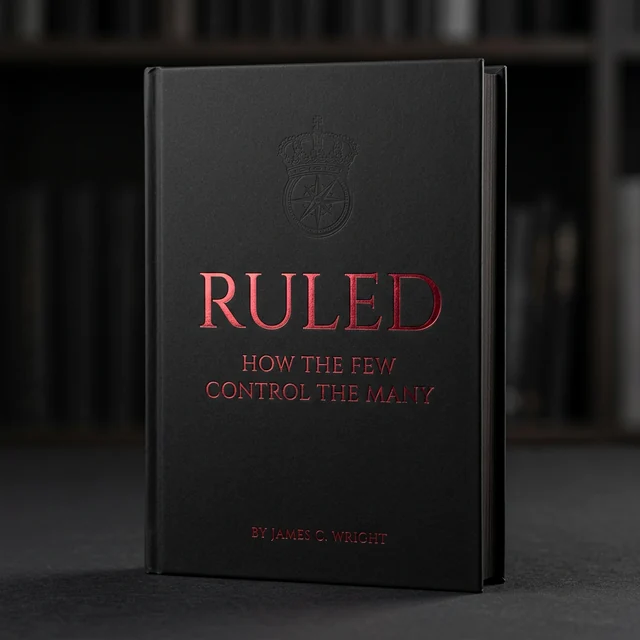
Free book
How do small groups keep power in a democracy? Ruled looks at who makes decisions, how leaders use crises to strengthen their position, and how to recognise those patterns in public life.
These six thinkers help explain how small groups gain power, hold on to it and lose it.
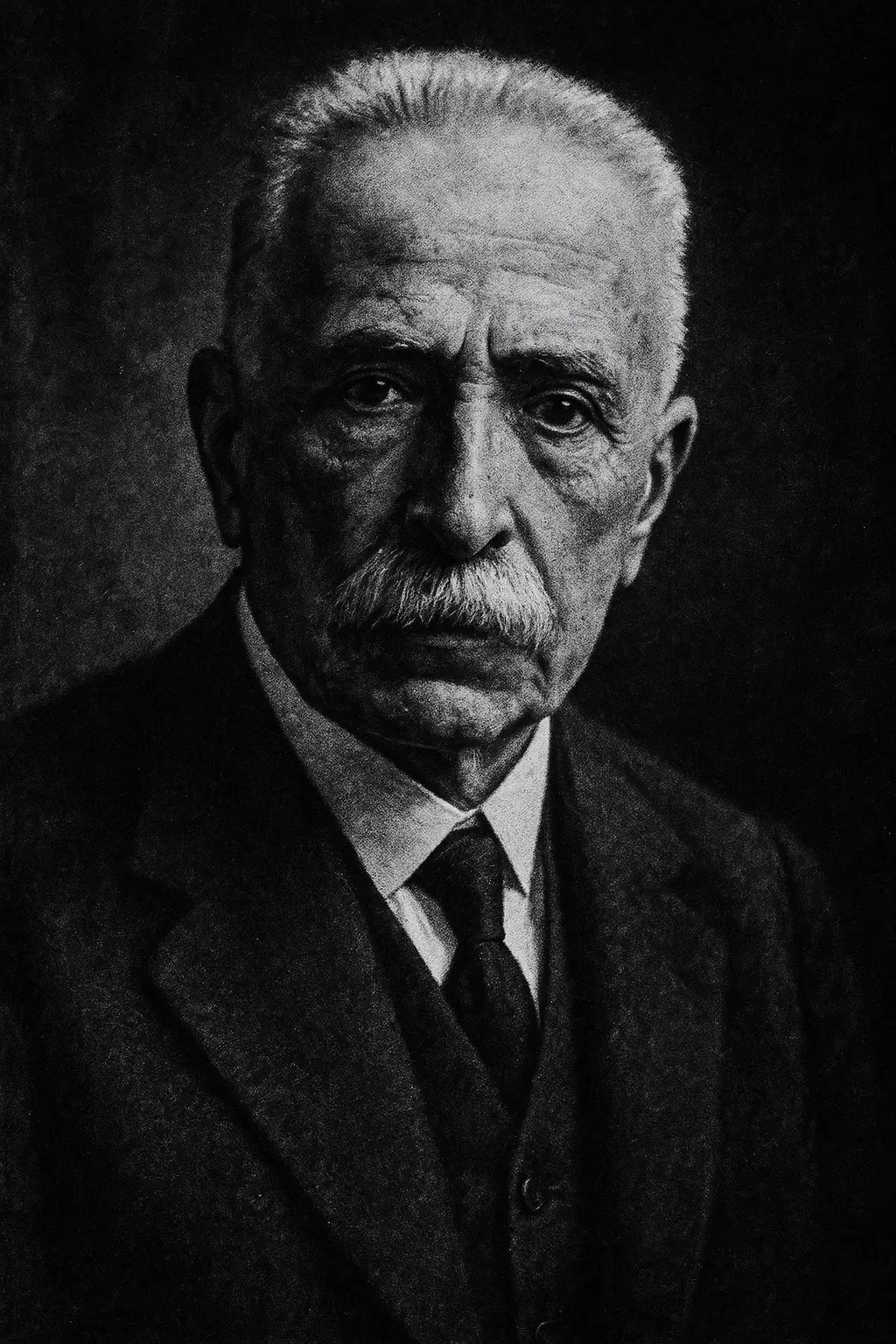
Mosca argued that an organised minority governs even in societies where most people have the vote.
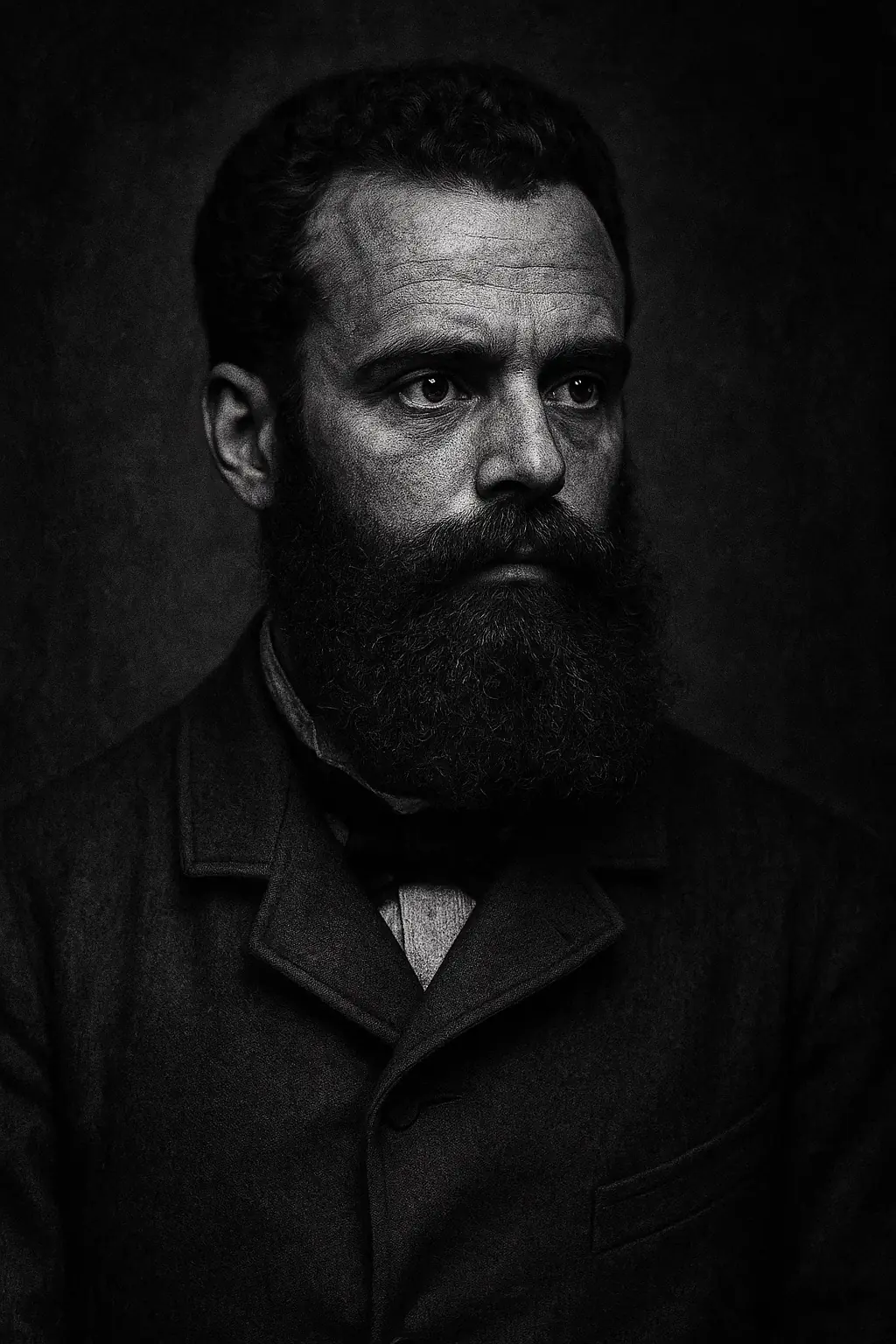
Pareto called it elite circulation when one ruling group loses power and another takes its place.
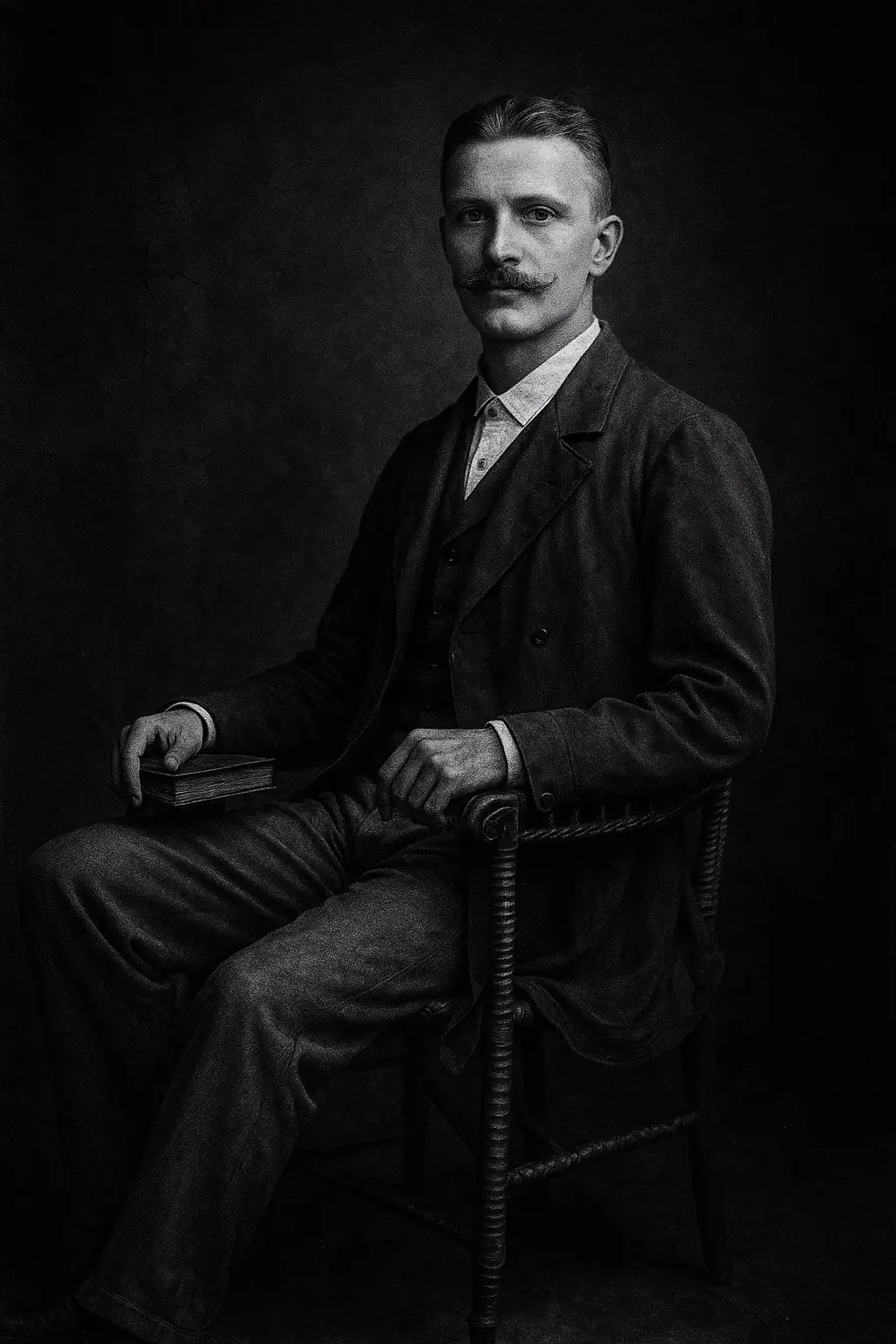
Michels observed that even organisations founded on democratic ideals tend to put power in the hands of a few leaders.
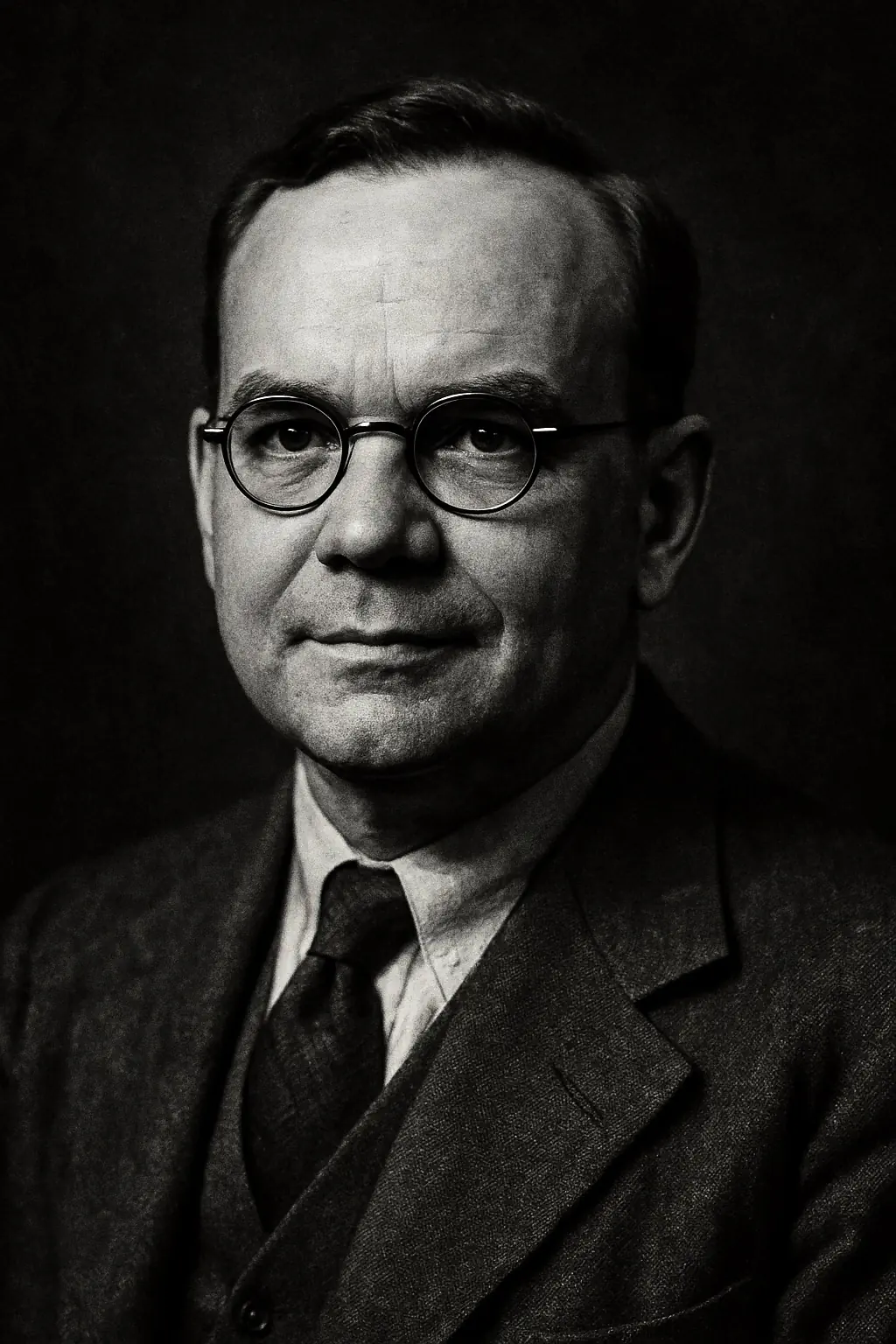
Burnham argued that managers gained power through their control of large organisations, even when they did not own them.
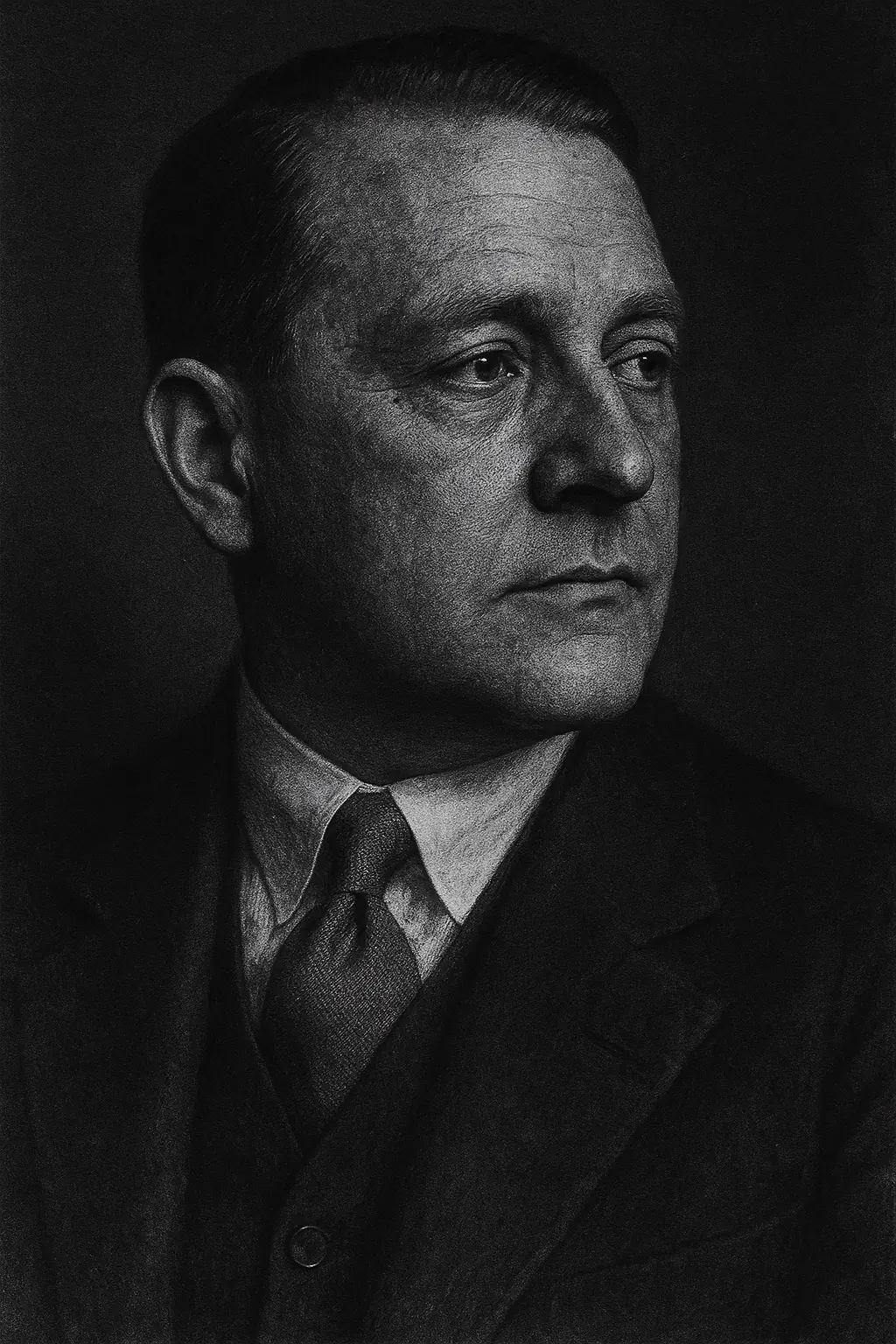
Schmitt argued that the person who can suspend the usual rules in an emergency holds the ultimate power.
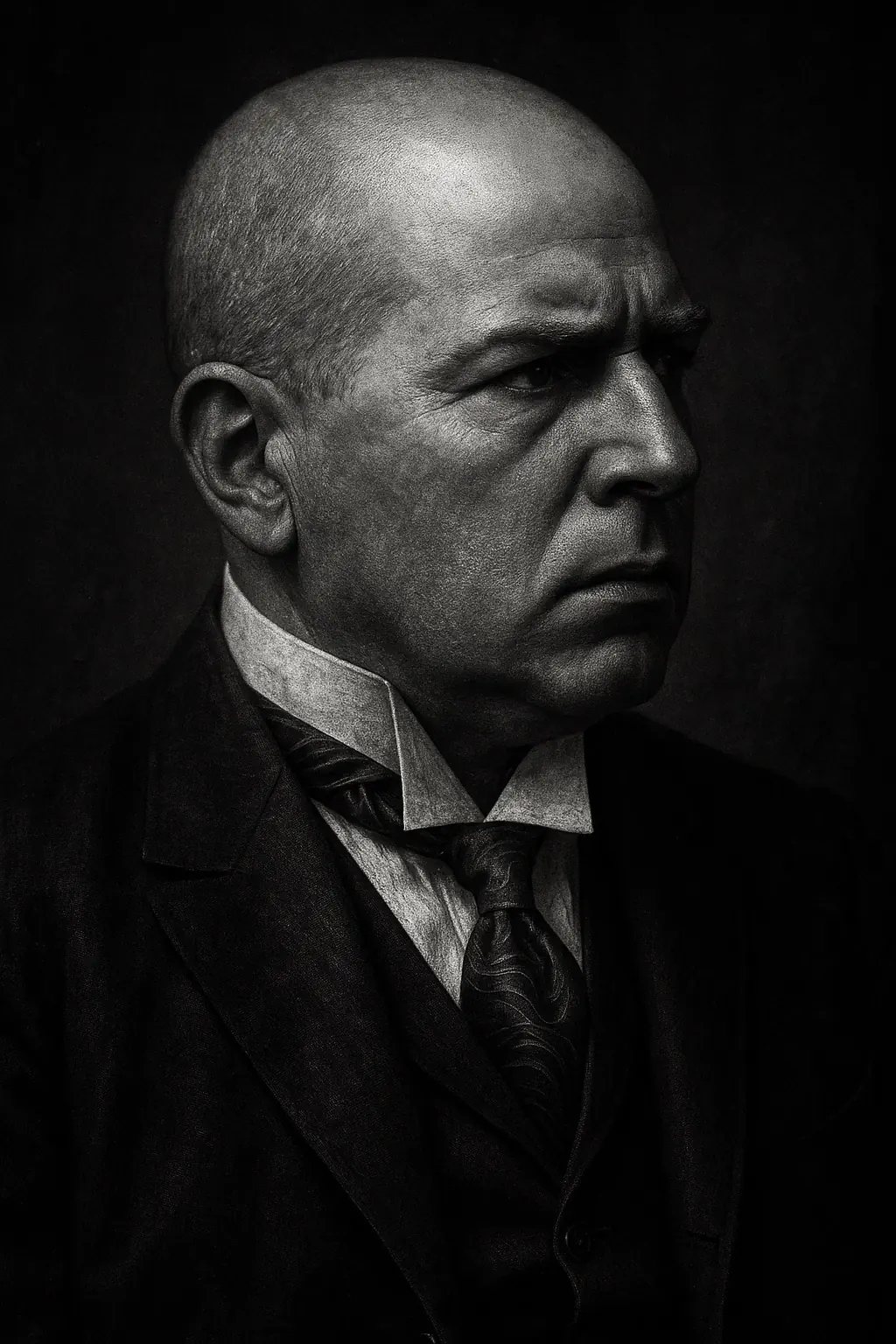
Spengler saw the rise of strong leaders as a feature of civilisations in decline.
I write as ZeroCopes. I use elite theory to look at who makes decisions and how institutions shape them.